


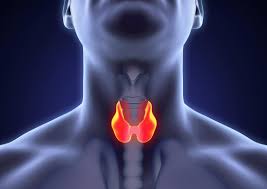
If you are experiencing unexplained weight gain, fatigue, hair loss, or other symptoms that suggest you may have a thyroid disorder, your doctor may recommend a Thyroid Antibodies Test. This test detects the presence of antibodies in the blood associated with autoimmune thyroid disorders such as Graves’ disease and Hashimoto’s thyroiditis.
Thyroid antibodies can be present even before any physical signs of the disease appear. This blog post will explain how pathology labs conduct Thyroid Antibodies Tests and what to expect from the results.
Let’s get started.
What is a thyroid antibodies test?
A thyroid antibodies test is a blood test that measures the levels of thyroid-stimulating antibodies (TSH) in your blood. The immune system produces thyroid stimulating antibodies in response to an overactive thyroid gland.
The test is usually done as part of a routine physical exam or if you have symptoms of an overactive thyroid gland, such as anxiety, weight loss, and rapid heart rate. The thyroid antibodies test is also sometimes ordered if you have a family history of Graves’ disease.
Thyroid antibodies come in several forms. Certain antibodies can damage thyroid tissue. Several issues cause the thyroid to produce excess amounts of particular thyroid hormones.
A few of the following antibodies are often detected during a thyroid antibodies test:
- Thyroid peroxidase antibodies (TPO)
TPO is an enzyme found in thyroid cells. Thyroid peroxidase antibodies (TPOAb) can damage the thyroid cells and interfere with hormone production. TPOAb is present in most people with autoimmune thyroid disease, including Hashimoto’s disease and Graves’ disease.
- Thyroglobulin antibodies (TgAb)
Thyroglobulin is a protein produced by the thyroid gland. Thyroid-stimulating hormone (TSH) stimulates the production of thyroglobulin. TgAb levels may be elevated in people with Graves’ disease or Hashimoto’s thyroiditis, as well as in some people with Thyroid cancer.
- Thyroid-stimulating hormone
The thyroid-stimulating hormone (TSH) test is the most common way to check if your thyroid is working properly. A high level of TSH usually means that the thyroid gland is not making enough thyroid hormone. But a low level of TSH could mean the gland is overactive and making too much of it. It is important to discuss your results with your doctor so that the treatment plan can be worked out.
What is the Thyroid Antibodies Test for?
The Thyroid Antibodies test diagnoses autoimmune thyroiditis, the most common cause of hypothyroidism. This condition occurs when the body produces antibodies that attack and destroy the thyroid gland. The Thyroid Antibodies test can also be used to monitor patients with autoimmune thyroiditis treated with levothyroxine (a synthetic form of thyroxine).
Why Do You Need a Thyroid Antibodies Test?
You may need to take the test if you have the following symptoms:
- Hair loss
Hair loss is one of the most common symptoms of thyroid problems. If you are losing hair and don’t know why it’s worth getting your Thyroid Antibodies Test done.
- Fatigue
If you’re always tired, it could be a sign that your thyroid isn’t working properly. Thyroid problems can cause fatigue, so it’s worth getting tested.
- Weight gain or weight loss
The most common symptom of hypothyroidism is weight gain. People with hypothyroidism may find it difficult to lose weight, even when following a strict diet and exercise routine. However, not everyone with hypothyroidism will experience weight gain. Some people may lose weight. Thyroid antibody tests are affordable and can be conducted by most pathology labs to help with this condition.
- Constipation or diarrhea
If you have an autoimmune disease, your immune system attacks your tissues. It can cause inflammation, which can lead to constipation or diarrhea. A Thyroid Antibodies Test can help to rule out other causes of these symptoms.
What to Expect in Thyroid Antibodies Test?
Your blood sample will be drawn from a vein in your arm. The health care provider will clean the area with an antiseptic and insert a needle into the vein. The blood will be collected in a vial or syringe. You may feel some discomfort when the needle is inserted. It usually lasts a few seconds. Afterward, there may be some mild bruising. It is normal and should go away in a day or two.
Thyroid Antibodies Test Cost
In 26 Indian cities, the price of Anti TPO (Thyroid Peroxidase Antibody) ranges from ₹ 554 to ₹ 600. Delhi has the cheapest Anti-TPO (Thyroid Peroxidase Antibody) prices among the major cities.
Results of Thyroid Antibodies Test
Results may be among these three:
Negative: There are no thyroid antibodies found. It indicates that your thyroid issues are probably not due to an autoimmune condition.
Positive: TPO and Tg antibodies are found You could have Hashimoto’s disease if it is the case. Most sufferers of Hashimoto’s disease possess high concentrations of either or both of these antibody types.
The Bottom Line
Thyroxine is a hormone that plays a vital role in metabolism. A thyroid antibodies test measures the levels of thyroid stimulating hormone (TSH) and thyroxine (T₄) in your blood. Thyroid-stimulating hormone is produced by the pituitary gland and regulates the production of thyroxine by the thyroid gland.