


As crazy as it sounds and you won’t believe it before there was wine there were vessels to drink from. Yes, believe it or not, before liquid gold was created there were containers that actually held liquid. These containers were just waiting for something to fill it that would fulfill their purpose far beyond their dreams. Enter the wine. The first wine glasses were made from a variety of materials, from baked clay putter to leather gourds to silver and gold goblets. Even animal horns were used, especially by the Vikings. There were examples of these vessels that were used when one was trying to maintain a certain level of decorum, otherwise, it was perfectly acceptable to drink directly from large storage vessels.
In 50 AD a scientist named Pliny the Elder worked to promote glass as a preferred container for wine, but this was not widely possible due to the fact that glass was a precious material like gold and gems because the process at the time and the ancient technology used to make glass was expensive. And it was very difficult. For this reason, the first versions of wine glasses consisted of a base, stem, and foot date from the 15th century. Due to the industrial revolution, glass is much easier to manufacture today which in turn makes it more affordable than in all previous centuries. Indeed, mass production of glass was difficult to even in the early 20th century. These facts easily show that a few hundred years ago glass was as valuable as gold or silver.
Again, due to the Industrial Revolution, the mass production of glass suddenly made wine glass sets affordable for everyday blue-collar workers. Champagne was sold this day in wine glass sets with flutes, tumblers, and goblets, usually a dozen in each set. Suddenly glass was the material of choice for wine containers and it made it easier for people to appreciate the color and body of the wine, which is just as important as the taste and really necessary to get the full wine drinking experience. With these inventions, glasses began to be shaped specifically to enhance the bouquet and body of red, white, and blush wines alike. These innovations have given a new perspective and twist to wine drinking and enjoyment.
The size and shape of the glass are very important to the full experience of enjoying wine. You should buy glasses specifically for red and white wine and even champagne. A lot of science has gone into each type of glass size, and you’ll benefit greatly from using the right size for the wine you’re drinking.
The history of wine
Wine has been around almost as long as humanity. How it was discovered is uncertain. Some believe it was discovered by accident while others look to myths that depict it as a gift from the gods. Although the exact method of discovery of a wine is never known, it is a fact that it has had a huge impact on society since its discovery in modern times.
Archaeological findings have dated the origin of wine to around 5400 BC in Mesopotamia (modern Iran). There is evidence that it was used in ancient Egypt and Greece. The oregon wine history timeline was probably the drink of choice because it was a safer alternative to water without modern plumbing and sanitation systems. The water was usually contaminated with disease-causing bacteria. The wine was not only considered safe and healthy but was probably preferred because of the effects of alcohol content on the brain. From its origins in the Middle East, wine found its way into ancient Egypt where it had many uses. Tomb carvings in Egypt suggest that it was a drink of the upper class. Alcohol was also used in religious ceremonies. It was even buried with the ancient Egyptians for passage to the afterlife.
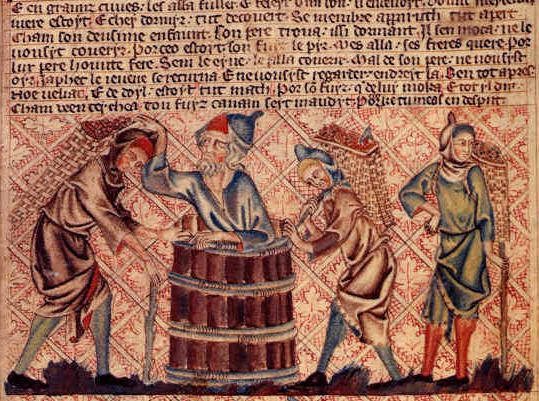
As winemaking spread to Europe, vineyards were taken over by Christian monks who were responsible for producing wine, which was used in religious ceremonies. The Catholic Church has used wine for centuries to represent the blood of Christ in religious rituals. European wine culture grew and eventually spread to other regions of the world. It was brought to America by explorers. A variety of grape vines were planted on American soil, many without success. When the experiments were ultimately successful, winemaking spread to the Americas. It was even created by the prohibition of alcohol in the 1920s.
Wine has served many purposes for millennia. It has been used in celebrations, religious ceremonies, and rituals and is even prescribed by doctors. Some prefer it for its relaxing effect. Others love the taste and won’t drink anything else. It continues to have a major impact on society today. Its use has changed very little. What has changed is the variety of wines.
New flavors have been invented along with modern ways to store and drink them. It will continue to enhance our lives into the future and be a source of enjoyment for all.