


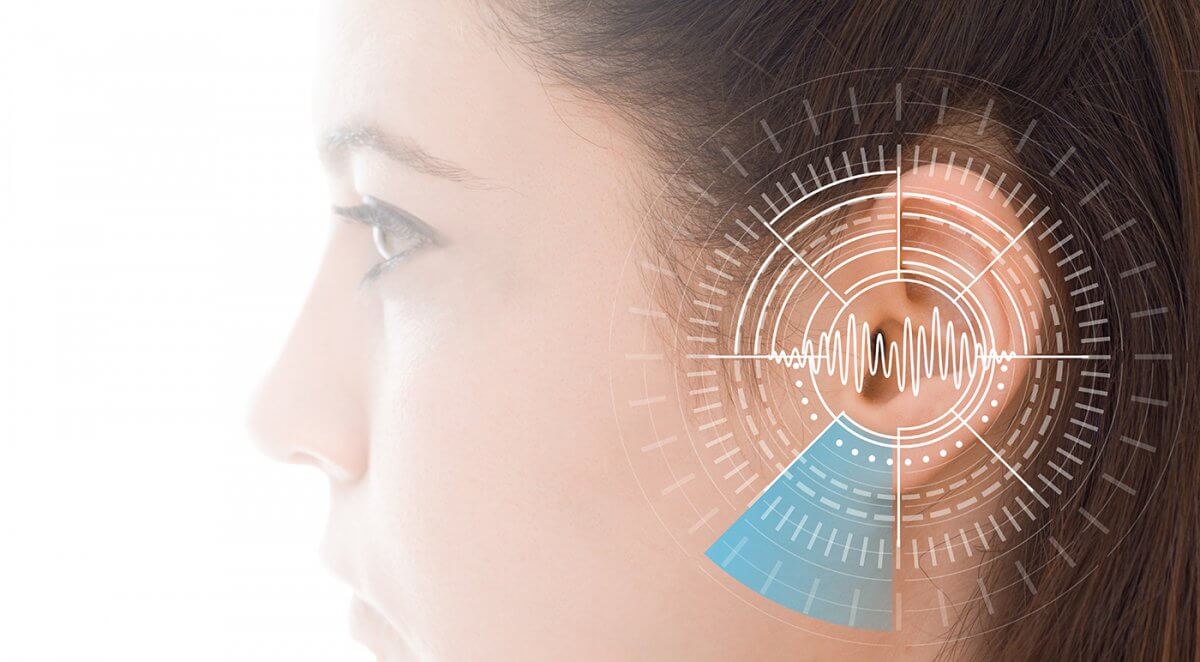
Sensorineural deafness is one of the types that causes hearing loss. It results from injury to the inner ear, the nerve that connects an ear’s lining to the brain (auditory nerve) or the brain.
We ignore all the sounds we hear around us, such as the bark of dogs, the hum of a bee or the tune of our favourite music. However, for many people, it’s an extremely quiet place. They’re unable to hear sounds with either or both ears. We’ll talk about hearing loss.
To know how hearing loss occurs first you can visit a audiologist or a hearing aid centre, you must be aware of what happens in the ear when hearing. For instance, imagine you hear a siren as a fire truck blasts across the road. At first, the siren’s sound reaches the eardrum inside the ear’s outer. The eardrum vibrates, which can move three tiny bones within the middle ear. The bones transmit sound to the cochlea, filled with fluid inside your inner ear. The cochlea is lined by tiny hairs which vibrate when sound waves strike them. The hairs convert sound waves into electrical signals. The brain then realizes that a burning engine is moving towards you.
Several reasons can cause hearing loss
Loud noises, changes in pressure when you dive, or a head injury may damage the delicate structures inside your ear, allowing the ears to listen. Mumps, measles, and Meningitis also cause harm to your ear. Sometimes, earwax builds up inside your ear and blocks your hearing, just like plugs. As you age, you could lose your hearing even if you’re not suffering from an injury or illness. If the injury or issue is related to the middle or outer ear, this is known as hearing loss, which is conductive. For example, your eardrum may not vibrate when you hear sounds. The tiny bones that line your middle ear could not be able to transmit sound to your inner ear. A defect in the inner ear can cause sensorineural hearing loss. It’s usually due to the hair cells that transmit sound to the ear failing to function properly due to disease or damage, or stem cells inside the ear cannot keep pace with the process of repair. If you’re experiencing issues with both your inner and outer ear, you may have a mixed hearing loss.
What’s the best way to deal with hearing loss? If you’re finding that your voices sound distorted and it’s difficult to discern the words spoken by people, visit your doctor to have hearing tests. Your doctor will assess your ears and provide you with an audiometry test to determine the type and quantity of hearing you’ve lost. Some scans are imaging, such as a CT and an MRI scan, if you’ve suffered an injury to your head. Hearing aids can amplify sounds so that you can listen more clearly. The hearing aids of today are so small that they’re barely visible. If you’ve noticed a build-up of earwax inside your ear, using an ear syringe with warm water will aid in flushing it out. Sometimes, surgery is a possibility to repair damage to your ear and improve hearing. Do not accept hearing loss as a normal aspect of aging. Consult your physician for a hearing assessment. Most often, hearing loss due to a problem with the middle or outer ear is reversible. You can protect your hearing by avoiding noisy environments and wearing earplugs if you’re exposed to loud noises.
Things to Consider
It could be a sign of:
- Certain sounds can be too intense in one ear.
- It isn’t easy to follow conversations when two or more people are conversing.
- It isn’t easy to hear in loud areas.
- It is easier to hear male voices than women’s.
- It’s hard to differentiate the high-pitched noises (such as “s” as well as “the”) indistinguishable from each other.
- The voices of other people sound muffled or spoken in a slurred manner.
- Hearing problems occur when you hear background noise.
Other symptoms are:
- A feeling of being out of balance or feeling dizzy (more frequent in Meniere’s illness and Acoustic Neuromas)
- The sound of buzzing or ringing within the ears ( tinnitus)
The Reasons
The inner ear houses tiny hair cells (nerve endings) that transform the sound into electrical signals. The nerves carry the messages to the brain.
Hearing loss due to sensorineural (SNHL) can be caused by the damage caused to these particular cells or nerve fibres that line the inner ear. Sometimes, hearing loss is due to damage to the nerves that transmit messages to the brain.
Sensorineural hearing loss that occurs at the time of birth (congenital) is usually caused by:
- Genetic disorders
- Infections that the mother transmits to her child in her infancy ( toxoplasmosis, rubella, herpes)
SNHL could occur in children and adults later in the course of their lives (acquired) because of:
- A -related loss of hearing due to age
- Blood vessel disease
- Immune disease
- Infections like Meningitis, mumps, scarlet fever as well as measles
- Injury
- Sounds or loud noises or loud sound that lasts for a long period
- Meniere’s disease
- Tumours, for example Acoustic Neuroma
- Certain medicines are prescribed for use
- Hearing loud and raucous sounds every day
In some instances, there is no reason to suspect the cause.
What is to Expect At Your Office Visit
The aim of treatment should be to help you improve your hearing. These suggestions can be beneficial:
- Aids to hearing
- Telephone amplifiers as well as other assistive devices
- Security and alert systems for your home
- Sign language (for people with the most severe hearing loss)
- Reading speech (such as lipreading or using cues that visually assist communication)
A cochlear implant could be suggested for those who have profound hearing loss. The procedure involves the placement of the implant. The implant can make sounds seem louder, but it does not bring back normal hearing.