


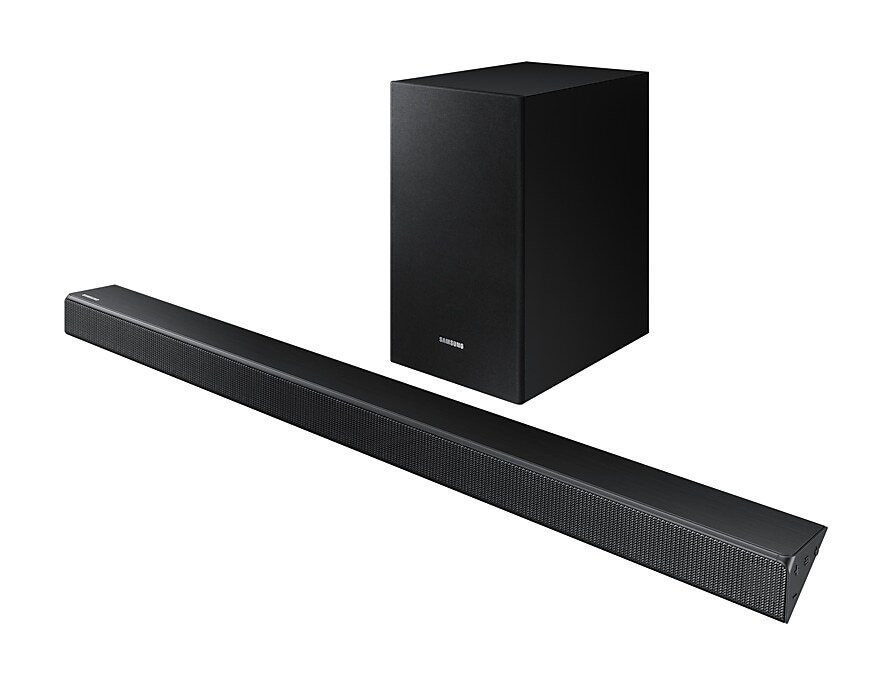
A soundbar is a type of speaker system that is designed to improve the audio quality of televisions. It typically consists of a long, narrow speaker enclosure that contains multiple drivers, or small speakers, and is designed to be placed below or above a television screen.
The purpose of a soundbar is to provide a more immersive and lifelike audio experience when watching movies, TV shows, or other video content. Many modern TVs have built-in speakers that are not very powerful or produce poor-quality sound, so a soundbar can help significantly improve the audio quality of your TV.
In addition to being used with TVs, soundbars can also be used with other audio and video devices, such as Blu-ray players, gaming consoles, and streaming devices. Some soundbars also come with additional features, such as built-in Bluetooth connectivity, allowing you to stream audio from your phone or other devices directly to the soundbar.
Do you need a Sound Bar?
It depends on your personal preferences and the audio quality of your TV. If you are satisfied with the audio quality of your TV and do not mind the limited range of sound that it produces, then you may not need a soundbar.
However, if you are someone who values good audio quality and wants to enhance your overall viewing experience, a soundbar may be a good investment. Soundbars can provide a more immersive and lifelike audio experience, especially when watching movies or TV shows with a lot of dialogue or action. They can also help to fill a room with sound and improve the clarity of the audio, making it easier to hear and understand the dialogue.
If you are considering purchasing a soundbar, it may be helpful to read reviews and do some research to find a model that fits your needs and budget.
Its Role in Home Theatre System
In a home theatre system, a soundbar can be used as a primary audio source or as an additional audio source to complement a surround sound system.
If you are using a soundbar as a primary audio source in your home theatre system, it can be connected directly to your TV, Blu-ray player, or other audio and video source. The soundbar will then produce the audio for all of the content that you watch or listen to on those devices.
If you are using a soundbar as an additional audio source in a surround sound system, it can be connected to an AV receiver or home theatre system. The AV receiver or home theatre system will then send audio signals to the soundbar and any other speakers that are part of the surround sound system. This can create a more immersive and lifelike audio experience, as the sound is coming from multiple directions rather than just one. To read more about home theatre and power conditioners click here
How Sound Bar Can increase your Productivity
It is unlikely that a soundbar would directly increase productivity. However, it is possible that a soundbar could improve the overall environment in which you work, which could indirectly lead to increased productivity.
For example, if you work in an office and use a computer or other device with built-in speakers that produce poor-quality sound, a soundbar could help to improve the audio quality of your work environment. This could make it easier to listen to music or podcasts while you work, which could help to improve your focus and concentration.
Additionally, if you work in a noisy environment, a soundbar could help to block out external noise and distractions, which could also contribute to increased productivity.
It is worth noting that everyone has different preferences and works differently, so what works for one person may not work for another. If you are considering purchasing a soundbar technology for your work environment, it may be helpful to try it out and see if it has any positive effects on your productivity.