


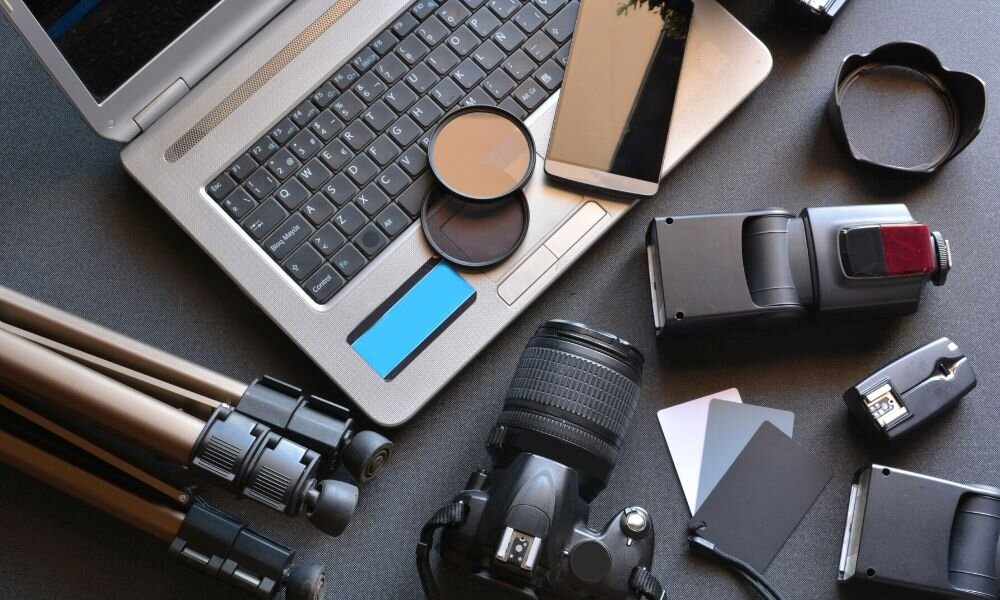
How Technology is Changing the Photography Industry
Technology is changing the photography industry in many ways. One of the most significant changes is the way people use technology to capture and share photos. Instead of taking pictures with a camera, people now often use digital cameras or their smartphones to take pictures. This shift has led to a number of other changes in the photography industry. For example, photo processors have become more powerful so that people can create more complex images using fewer colors and less detail. Additionally, software has made it easier for people to share photos online and on social media. As a result, photography has become more accessible and participatory than ever before.
Who Uses the Word “Photography”?
One of the oldest and most popular uses of photography is as a means of recording and preserving memories. Today, photography has evolved into an art form with countless possibilities. From capturing special moments to creating artwork, photography can be used for anything and everything. Some of the most common uses for photography today are weddings, portraits, magazines, advertising, and product packaging. Wedding photographers are known for their ability to capture all the details of a wedding day while still keeping the mood light and joyful. Portraits can be used to capture a person’s personality or look for a company logo. Magazines use photography as an avenue to tell stories and sell subscriptions. Advertising relies heavily on good photography to capture attention and sell products. Product packaging often includes beautiful photographs that help sell the product.
The Evolution of Modern Photography
In the early days of photography, people used chemicals and light to capture images. However, over time technology has evolved to allow for more control over how an image is captured. Today, we have digital cameras that can capture images in a variety of formats, from JPEGs to RAW files. This flexibility allows photographers to create pictures that look different depending on the software they use to edit them. For example, if you want to create a picture that looks like it was taken with a film camera, you can use software that simulates the look of film photography. Alternatively, if you want to create a picture that looks like it was taken with a digital camera, you can use software that mimics the look of digital photographs. This flexibility allows photographers to create pictures that look different depending on their preferences. Another advantage of digital cameras is their ability to take multiple photos simultaneously. This feature is useful for capturing photos of fast-moving objects or scenes with lots of detail. Because digital cameras store photos in memory rather than on physical media, they can be quickly processed and turned into a final product without losing any data. Overall, digital cameras are versatile tools that allow photographers to create pictures that look different depending on their preferences and needs. They’re also faster and easier to process than traditional photographic methods, which makes them ideal for capturing rapid-fire shots or scenes with lots of detail
How Does Technology Affect Photography?
The following are five ways that technology is changing photography: -Digital cameras have replaced film cameras in the majority of cases. Digital images can be edited, cropped and retouched without losing any quality. -Photography software has become more user-friendly and versatile. There are now programs specifically designed for photojournalism, wedding photography, landscape photography and more. -Webcam technology has made it easier to take photos of people and pets in situ, without having to leave the comfort of one’s home or office. -CCTV cameras have made it possible to capture photographic evidence of crime scenes and other events remotely. This has led to a resurgence in photojournalism, as journalists can now capture events as they happen rather than waiting for them to be reported by someone else. -Finally, 3D printing technology is allowing photographers to create customised models of objects and scenery for use in their photographs. This could lead to a new era of self-expression through Photographic art
Conclusion
It seems like every day there’s a new technology that impacts photography in some way. From social media to photo editing software, it can be hard to keep up with all the changes and decide which tools work best for your specific needs. However, by understanding how different technologies impact photography and choosing the right tools for the job, you can create powerful photographs that truly reflect your unique artistry. Thanks for reading!