


Making a tarot deck that is both attractive and interesting is no easy task. One of the most elaborate and difficult creative projects a creator and designer will do is the creation of a deck of playing cards (pun intended). This tutorial will teach you all you need to know about the design process for a tarot deck, whether you’ve never done it before or are an experienced card designer.
The following tips will help you in finding the best tarot card manufacturers for your tarot card manufacturing and designing.
Find out what makes your cards unique.
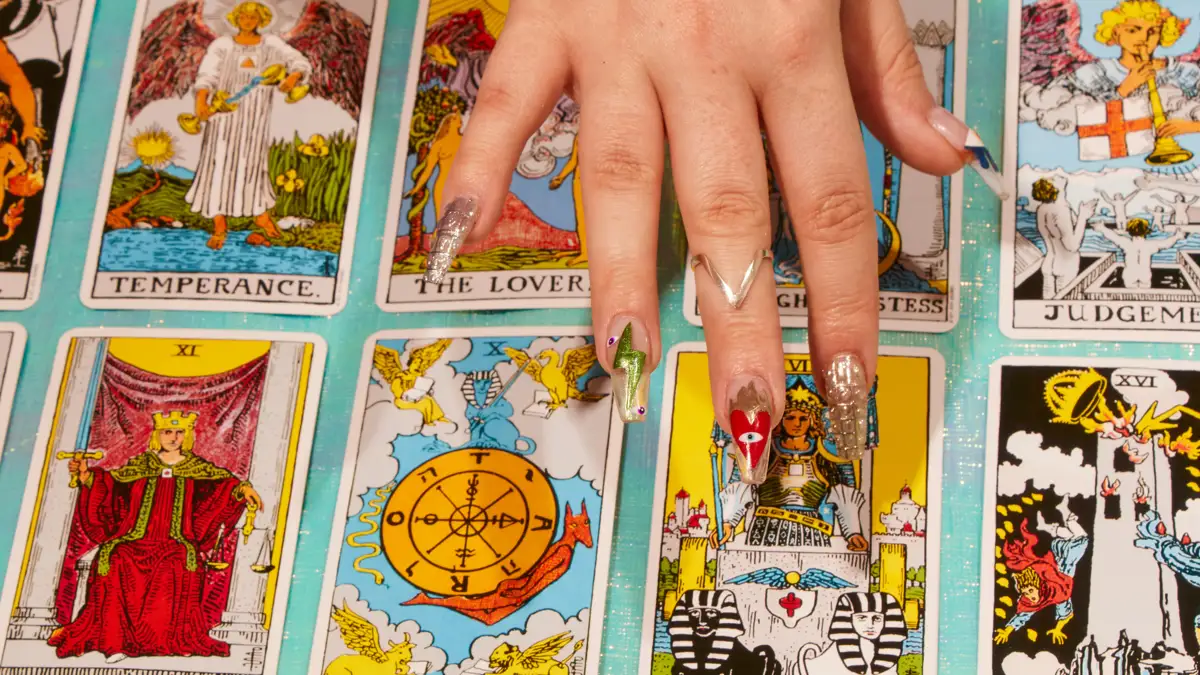
Tarot deck design relies heavily on visual distinction. Numerous tarot and oracle card sets in a wide variety of themes and aesthetics are available. While many different card decks share a similar organizational structure (Tarot, Lenormand), each has its own distinct look and feel thanks to the artist’s personal touch. However, with the Rider-Waite deck now in the public domain, many artists are having a great time (and finding success) simply reimagining the classic deck.
Inspiration for a new tarot deck may come from anywhere: a perceived need in the market that demands filling, a sudden realization of an overlooked possibility, or a novel take on tried-and-true concepts.
Find out what you can.
Researching the market, your competitors, and potential buyers to learn about their experiences with existing decks, how they are being used, the price point, and any other information that can shed light on the need for your tarot deck is essential before you begin production.
We should start by talking about the other teams. How competitive is the market for the kind of tarot cards you wish to create? Is there a plethora of producers dealing with items with analogous themes? There are several Rider-Waite-themed decks on the market because of the artwork’s availability in the public domain; some are more successful than others depending on the value they bring to the table.
If there are already a lot of competitors, it could be tough to break into that market. Potential clients may not be interested in something completely new, but they could be in something that puts a fresh twist on an old notion.
In any case, this is where suggestions from customers come in handy. Customer emotion, what features they like and hate, and suggestions for how to improve the product may all be gleaned from evaluations of competing tarot card decks. It’s a great method for discovering unmet demands and niches.
Learn to market yourself
Designing your own tarot deck is a great way to expand your personal brand as a professional tarot reader, psychic, or mystic who uses tarot cards on a daily basis, and it may also be a great way to generate more income for your practice.
To what extent could you be able to incorporate deck design into your present business model? How do you make sure your deck (and not someone else’s) is front and center when you do readings? Reading on websites like Oranum or others may help get your tarot deck in front of more people.
Determine what motivates you.
Perhaps you have a clear vision of how you want your deck of cards to look and feel, in which case you can skip this section. But if you don’t know yet, that’s OK too. Creating a custom deck of playing cards often begins with a random idea or an interest you have. Many interesting topics for card decks may be found by reflecting on the things you like doing, reading, and discovering, even if they first appear odd or strange. What follows are a few examples of this trend.
Copyright protection for most works lasts ninety-five years from the date of publication (in the USA). As a result, the public can’t legally read Disney’s Alice in Wonderland until 2046. (assuming Disney takes no action on the copyright, which is unlikely). But Lewis Carroll’s Alice in Wonderland novel was published in 1865, and Disney has no legal claim to the property beyond their own imaginative adaptation of the narrative. In truth, since 1960, the public has had access to the Alice in Wonderland book.