


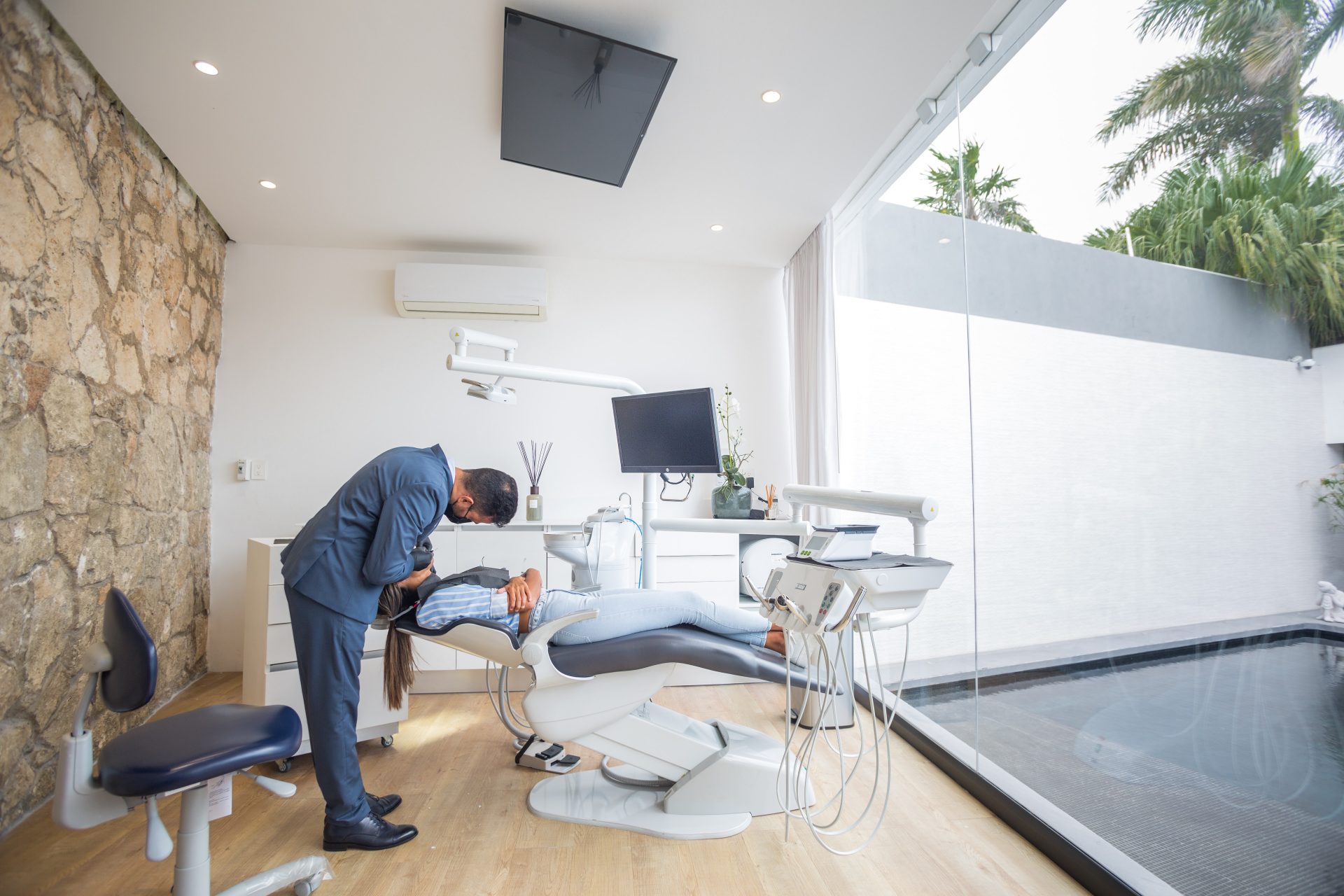
You’re taught to ask questions to your parents, instructors, or even coaches from a young age. At the dental office near you, the very same interest should be fostered. Asking your dentist questions is a vital aspect of your long-term oral health. Here are some of the most often asked dental concerns that everyone should bring up at their next checkup.
What steps can I take to enhance my oral health?
Your dentist will check and discuss areas of potential concern, and any present concerns, throughout your examination. Pay close attention to this detail and utilize it as a springboard for further inquiry.
Inquire with your dentist about your general dental health, how you may enhance your everyday oral hygiene and any other regions where you can improve. Look for the “best dental clinic near me” so that you get the right answers.
You might want to ask the following questions about dental care:
- Is by brushing and flossing technique correct?
- Can you illustrate how to brush and floss properly?
- Is the dental equipment I’m using the greatest for my teeth?
- What’s the state of my gums?
- Are there any teeth that we should pay special attention to?
Along with these concerns, take note of any issues you’re having, no matter how trivial they may appear. Bring up any discomfort, sensitivity, or irregularities you’re experiencing. Remember that identifying problems at an early stage is the key to effective treatment and the greatest method to ensure your oral health for the rest of your life.
What’s Causing My Teeth to Hurt?
From cracked or broken teeth to dental sensitivity, a variety of reasons can induce severe discomfort and pain. In most situations, if there is an issue, it may be easily discovered during your normal checkup with the aid of your bi-annual x-rays. But, since pain isn’t always visible on a checkup or x-ray, you must always inform your dentist where you’re experiencing discomfort.
Should I Look into Teeth Whitening Procedures?
Whitening procedures are an excellent method to enhance the look of your teeth and remove stains that have accumulated over time. Various sorts of whitening procedures are offered at dental clinics, and discussing with your dentist about them can help you decide which is best for you. Find dentists near you open right now and ask the dentist about this concern. Most dentists, for example, provide in-office whitening procedures that last approximately an hour.
What are the symptoms that you have gum disease?
Periodontal disease, often called gum disease, affects one out of every two adults in the united states aged 30 and over. Gum disease, if left unchecked, can lead to serious infections and loss of teeth. It’s also linked to a number of chronic illnesses, such as diabetes, cardiovascular disease, and Alzheimer’s disease.
Gum disease is a serious problem, yet the vast majority of people going through it haven’t been identified or aren’t constantly pursuing treatment.
Your dentist will check for indications of gum disease and estimate your future risk of getting gum disease during your routine dental checkup.
When should you consider dental implants?
Have you ever had a tooth chipped or broken? Do you have teeth that are weak or decaying? Have you ever been in an accident and fully lost a tooth? Talk about your dentist about dental implants if you’re having any of these problems now or just want to be prepared in case one arises in the future. You do not want to be looking for emergency dentists open now. Analyze the problem before it becomes severe.
Dental implants are the most effective approach to replace and repair teeth that have been lost or damaged. They will not only restore your smile’s natural and healthy functionality, but they will also appear and feel like your original teeth.
To achieve the best long-lasting results, make sure your dentist provides titanium dental implants and can use CEREC technology.
What Treatments Can Help Me Improve My Teeth’s Strength?
Fluoride treatments and other dental surgeries can help your smile to become stronger and more resilient. Your dentist will provide you with a list of various procedures, and you can get suggestions based on your goals. Fluoride treatments are most commonly given to kids under the age of six, but they can also help adults with weak teeth who are more prone to infections. Based on the amount of dental injury, you may also profit from aesthetic dentistry such as crowns, implants, or bridges to enhance the durability and look of your teeth. Look online for “dental office near me” so that you know which dentist you need to seek.
Should I Be Worried About Gum Disease and Gingivitis?
To avoid gingivitis and other kinds of gum disease, your doctor can prescribe products and also oral hygiene practices that you may use at home. When gingivitis is left untreated, it can worsen and compromise the overall health of your mouth. Swelling, discomfort, bleeding, poor smell, loose teeth, and even retreating gums are all symptoms of gum disease. Inquire with your dentist about the best ways to reduce your risk of gum disease.
Is there anything I should bring up with my primary care physician?
Patients are often told that their mouth serves as a gateway into their entire health. This is due to the fact that a variety of whole-body health disorders begin with sensations in the mouth. Some changes in the mouth, for example, can indicate diseases such as:
- Vitamin deficiency
- Vitamin deficiency
- Osteoporosis
- Furthermore, evidence shows that gum disease and other oral disorders, such as preterm delivery, can contribute to heart disease, stroke, and other difficulties.
Ask your dentist at the best dental office near you if there are any dental issues you should address with your primary care physician during your visit.
Find out whether your dentist needs information from your physician as well. For example, if you’ve just begun taking medication, tell your dentist since it might create tooth issues (like a dry mouth).
What foods are good or bad food for my teeth?
Did you realize that the meals you consume have an impact on more than just your overall health? They also help to keep your teeth and gums healthy!
A diet high in protein, green vegetables, and whole fruit is good for the mouth generally. Sugary, sticky, and acidic meals, on the other hand, are known to promote cavities and must be avoided. Tea, coffee, and wine can also discolor your teeth.
Consult your dentist if you’re worried about how your eating habits are harming your teeth. You and your dentist can talk about what foods are causing problems with your oral health.
It’s important to remember that over-the-counter tooth whitening products might cause more damage than benefit. Tooth discomfort and injury to the roots of your teeth are common side effects. A professional whitening procedure at the dental office near you can be prescribed by your dentist to aid you to attain a smile you’re pleased with.