


Due to the Roundup lawsuit, the use of pesticides to optimize the quality and yield of food has been in the spotlight for many years. Roundup is a popular brand of glyphosate-based herbicide that was originally produced by Monsanto and is now owned by Bayer, which bought it in 2018.
Glyphosate is a widely used herbicide in agriculture and home gardening, and it is used to kill both broadleaf plants and grasses. Roundup is typically used on genetically modified crops that are herbicide tolerant, also known as Roundup Ready crops. Glyphosate works by stopping certain protein production in plants, preventing them from making certain proteins needed for growth. However, there has been controversy over the safety of glyphosate and whether it may be linked to cancer. While most regulatory agencies say glyphosate is not likely to contribute to the development of cancer when used according to directions, some studies suggest it may be carcinogenic.

What are herbicides and how do they work?
Herbicides, including Roundup, are important tools for farmers to control weeds and increase productivity. According to FOA (United Nations Food and Agriculture Organization), ‘between 26 and 40 percent of the world’s potential crop production is lost annually because of weeds, pests, and diseases, and these losses could double without the use of crop protection practices’.
According to EPA (United States Environmental Protection Agency), ‘Herbicides are chemicals used to manipulate or control undesirable vegetation. Herbicide application occurs most frequently in row-crop farming, where they are applied before or during planting to maximize crop productivity by minimizing other vegetation. They also may be applied to crops in the fall, to improve harvesting’.
The potential effects of herbicides are strongly influenced by their toxic mode of action and their method of application. Herbicides can act by inhibiting cell division, photosynthesis, or amino acid production or by mimicking natural plant growth hormones, causing deformities (Ross and Childs 1996).
In other words, herbicides help to prevent weed competition, which can reduce crop yields and quality. However, they can also have negative consequences. For example, they can harm non-target plants and animals, contaminate water sources, and contribute to the development of herbicide-resistant weeds.
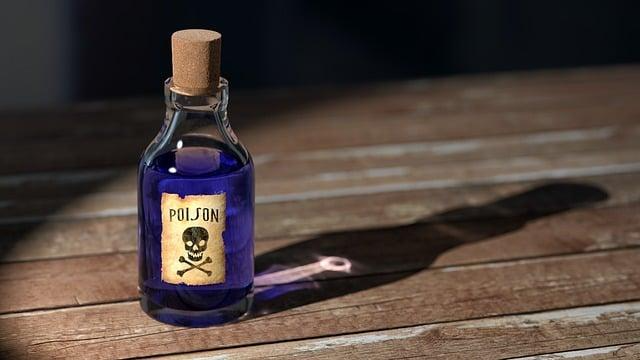
How Roundup affected people’s health
In the case of Roundup, there has been controversy over its potential link to cancer. There have been many cases of product users who claim that being exposed to the herbicide for a prolonged period of time has made them ill with cancer. In March 2015, the International Agency for Research on Cancer (IARC) classified glyphosate as “probably carcinogenic to humans” based on limited evidence of cancer in humans and sufficient evidence of cancer in experimental animals.
Exposure to glyphosate has been linked to an increased risk of some cancers, including non-Hodgkin lymphoma. While the United States Agricultural Health Study did not find an association between non-Hodgkin lymphoma and glyphosate, other epidemiological studies have found positive associations.
It is still unclear how Roundup specifically affected people’s health, but the potential carcinogenic properties of glyphosate have raised concerns and prompted legal action against Monsanto, the maker of Roundup. As a consequence, thousands of lawsuits have been filed against Monsanto, alleging that glyphosate caused non-Hodgkin’s lymphoma in individuals exposed to the herbicide.
While regulatory agencies generally consider glyphosate to be safe when used according to directions, some studies have suggested a link between glyphosate and cancer. As such, it is important to consider the potential risks associated with herbicide use and to use them responsibly and in accordance with regulations to minimize any negative impacts.
Legal implications
Bayer-Monsanto, the manufacturer of Roundup, reached an approximately $11 billion settlement with most plaintiffs who filed lawsuits against Roundup due to allegations that they developed cancer from the use of the weed killer. In some cases, the jury did not find that the use of Roundup caused the individual´s cancer but it did find that Monsanto/Bayer failed to report the risks and the plaintiff got millions in damage.

https://pixabay.com/es/photos/contrato-consulta-oficina-reuni%c3%b3n-408216/All in all, the Roundup settlement covers an estimated 95,000 cases, and approximately 80% of filed Roundup lawsuits have been settled. The settlement money will be processed into 2023, and those who have not yet taken action can still file a Roundup cancer lawsuit. However, some lawsuits are still pending, and new cases can still be filed. The Roundup settlement is one of the largest in history for a product liability case.