


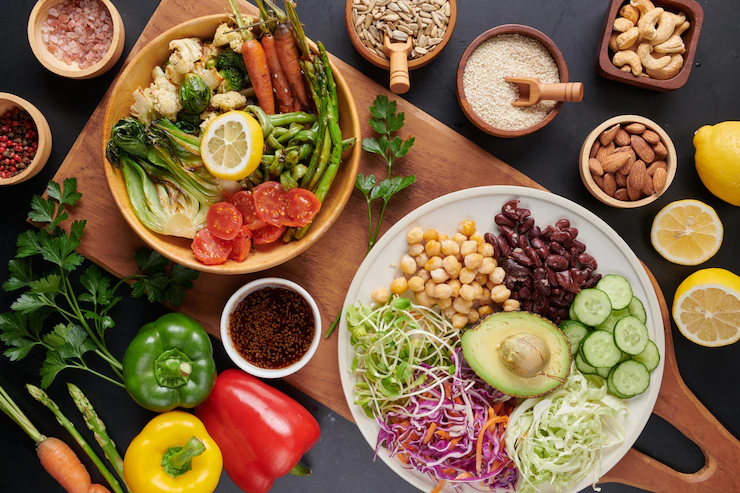
A vegan diet excludes all animal products, including meat, poultry, fish, eggs, and dairy. Vegans may also choose to avoid products made with any animal by-products or ingredients.
This type of diet can be incredibly healthy and environmentally friendly, as well as being a moral choice. In this article, we will explore the basics of a vegan diet and help you decide if it is the right fit for you.
What are vegetarians
A vegetarian diet is a diet that excludes all animal products. The term vegetarian refers to someone who eats only plant-based foods, while the term vegan excludes both meat and dairy products.
Types of vegan diet
Many different types of vegan diets lose weight quickly, here are some. some people prefer a mostly plant-based diet while others may include some small amounts of animal-derived foods. Some vegans also take supplements such as calcium and vitamin B12 to ensure they are getting the nutrients they need.
plant-based diet
A plant-based diet is a vegan diet that excludes all animal products, including meat, dairy, and eggs. Some people believe that a plant-based diet is more healthy than a traditional diet because it is lower in calories and has more nutrients.
animal-derived foods
Some animal-derived foods are considered vegan if you omit the animal products but still include plants, like legumes and grains. and moreover, it includes a small amount of animal-derived food in a diet.
What do vegans eat?
The vegan diet is based on the premise that all animal products should be avoided. This means that vegans avoid not only meat but also poultry, seafood, milk, cheese, eggs, and honey. Some vegan foods include fruits, vegetables, grains, and legumes.
What do vegetarians eat for protein
Vegetarians typically rely on plant-based protein sources, such as beans, lentils, tofu, nuts, and seeds. These foods provide all the essential amino acids your body needs to build muscle and fight illness. In addition to being high in protein, many vegetarian diets are also low in calories and cholesterol.
What are the benefits of a vegan diet?
A vegan diet does not include any animal products. While there are many different reasons why people choose to go vegan, the main reasons are health and environmental concerns. Some of the benefits of a vegan diet include:
You’ll Lose Weight
A study published in The Journal of Nutrition found that people who followed a vegan diet were more likely to lose weight than those who did not. This was likely because plant-based foods are low in calories and contain few grams of saturated fat, which can help control weight. Additionally, a vegan lifestyle is linked with other healthy behaviors, such as exercising and eating a balanced diet, which can also help you lose weight.
You’ll Be Healthier
A study published in The Journal of American College of Cardiology found that vegans had a lower risk of heart disease than meat-eaters. Researchers believe this is likely because plants are high in antioxidants, which protect the body from damage caused by free radicals. Additionally, a vegan diet is linked with lower levels of inflammation, which has been linked with numerous health problems, such as heart disease and cancer.
You’ll Save Money
A plant-based diet is cheaper than an animal
What are the risks of not following a vegan diet?
A vegan diet is not only healthy, but it’s also the most ethical way to live. A vegan diet excludes all animal products, including dairy, eggs, and meat. While following a vegan diet may have some minor risks, it’s generally considered to be one of the safest diets out there. Here are a few things to keep in mind if you decide to go vegan:
-Not all plant-based foods are equal. Make sure you are getting enough protein and fiber on a vegan diet, as these nutrients can be difficult to come by from plant-based sources.
-It’s important to be aware of how your body will react when you start a new way of eating. If you have any pre-existing health conditions, make sure to speak with your doctor before making any changes to your diet.
-Make sure you have access to accurate information about veganism. There are many myths about veganism out there, and you must know the truth about what’s going into your food.
How can I transition to a vegan diet?
There is no one-size-fits-all answer to this question, as the best way to transition to a vegan diet will vary depending on your circumstances.
However, some tips on how to transition to a vegan diet include gradually reducing your intake of animal products over weeks or months, and following a comprehensive guide or recipe book that outlines specific vegan meal plans.
Consult with a registered nutritionist or other health professionals about your specific dietary needs.
Pros and cons of vegan diet
A vegan diet is a plant-based diet that excludes all animal products. While there are many benefits to this type of diet, there are also some cons to be aware of before making the switch. Here are some pros and cons of a vegan diet.
Pros
- The vegan diet is a healthy way to eat.
- It is animal-free, which can be a consideration for some people.
- There is no need to worry about missing out on important nutrients because there are plenty of plant-based sources available.
- It is possible to tailor the vegan diet to fit personal preferences and needs.
- The vegan diet is environmentally friendly, as it does not involve consuming animals or products that were made with animal by-products.
Cons
- Some people may find it difficult to get their recommended daily intake of nutrients without including animal-based foods in their diet.
- There are not as many vegan restaurants as there are vegetarian restaurants, so it may be harder for vegetarians and vegans to find food that they like.
- Some people may experience side effects from following a vegan lifestyle, such as diarrhea or fatigue.
Conclusion
Vegans have the same dietary needs as other people, but they exclude meat and animal products from their diets. This includes dairy, eggs, honey, and other products that come from animals.
Many vegans also avoid processed foods, so they may eat things like whole grains, fruits, vegetables, legumes (beans), nuts, and seeds. Vegans usually rely on plant-based sources of protein instead of meat or animal protein