


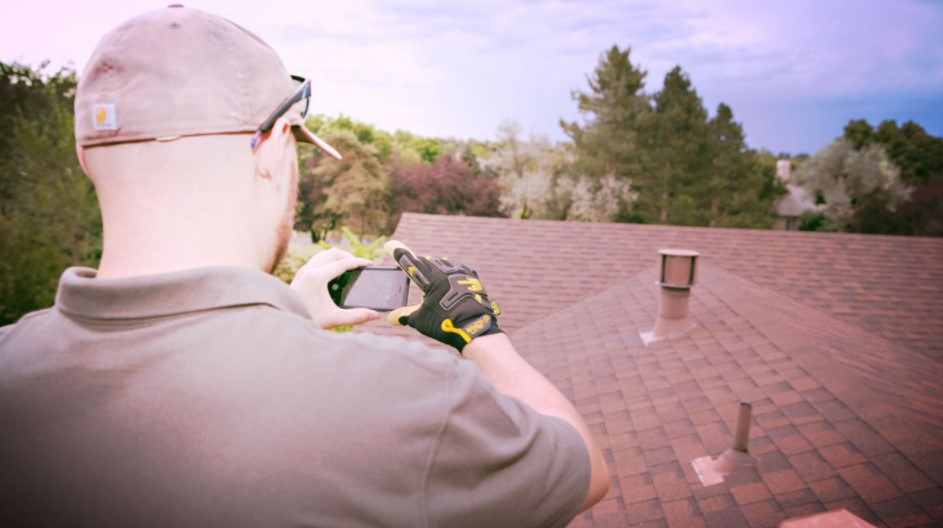
Most people know that radon is a gas that can be found in the air. What many people don’t know is that it can also be found in water and soil. Radon is a colorless, odorless, and tasteless gas that comes from the natural breakdown of uranium in the ground. It can enter your home through cracks in the foundation or other openings. Once it’s inside, it can build up to levels that are dangerous to your health.
What is Radon?
Radon is a naturally occurring gas that is found in the soil and rocks. It is produced by the breakdown of uranium in the ground. Radon can enter your home through cracks and holes in the foundation and can build up to dangerous levels. Radon is the leading cause of lung cancer among non-smokers. That’s why it’s important to have your home tested for radon.
Why Test for Radon?
There are many reasons why you should test your home for radon. Radon is a gas that is released from the ground and can enter your home through cracks in the foundation. Radon is the leading cause of lung cancer in non-smokers and is responsible for 21,000 deaths each year. Testing your home is the only way to know if you have a radon problem. If you do have high levels of radon, there are ways to fix the problem and protect your family from this invisible killer.
When to Test for Radon?
If you’re thinking about having your home tested for radon, you might be wondering when the best time to do so is. The answer isn’t always clear cut, but there are a few things to keep in mind that can help you make the decision.
First, it’s important to know that radon levels can fluctuate throughout the year. They tend to be highest in the winter when windows and doors are sealed tight to keep out the cold. This means that testing in the winter may give you a higher reading than if you tested during other times of the year.
That said, some experts believe that it’s better to test for radon during the winter months since that’s when levels are most likely to be high. If you’re concerned about getting an accurate reading, you could always test multiple times throughout the year to get an idea of what the average level is.
Another thing to keep in mind is that it can take up to two days for radon levels to stabilize after a heavy rain or snowfall. So if you live in an area with frequent precipitation, it might be best to wait a few days after a storm before testing.
Ultimately, there’s no perfect time to test
Read Also: Importance of Indoor Air Quality and How to improve it
How to Test for Radon?
If you’re thinking about having your home tested for radon, you may be wondering how the process works. Radon testing services is actually quite simple, and there are a few different ways to go about it. The most important thing is to make sure that you hire a qualified and certified professional to do the test for you.
One of the most common ways to test for radon is with a charcoal canister. This type of test will need to be placed in your home for at least 48 hours, and it will work by absorbing radon gas from the air. Once the canister has been placed, the professional will come back to your home and pick it up. They will then send the canister off to a lab to be analyzed.
Another way to test for radon is with an electronic monitor. This type of test is typically used for short-term testing, and it can give you results within 24 hours. The monitor will need to be placed in your home for at least 48 hours, and it will work by measuring the amount of radon gas in the air.
No matter which type of test you choose, it’s important to make sure that you follow all of the
What to do if Your Home Has High Radon Levels
If your home has high radon levels, there are a few things you can do to mitigate the risk. First, you can install a radon mitigation system, which will help to reduce the level of radon in your home. You can also make sure that any cracks or openings in your foundation are sealed, as this will help to prevent radon from entering your home. Finally, you can have your home tested regularly to ensure that the level of radon remains low.
Conclusion
Radon is a gas that you can’t see, smell or taste and it may be present in your home. Radon is the leading cause of lung cancer among non-smokers and claims the lives of about 21,000 Americans each year. The only way to know if radon is present in your home is to test for it. Testing is easy and inexpensive, and it’s the only way to know for sure if you and your family are at risk from radon exposure.